Source Fashion Stainless Cat Eye Glasses for Women Men
Compare 30 listings of fashion stainless cat eye glasses from verified suppliers. Buyers can evaluate frame materials, lens types, and customization options to find the right optical frames for retail or promotional use; compare the available evidence and request quotations based on your requirements.
Key considerations
Products List


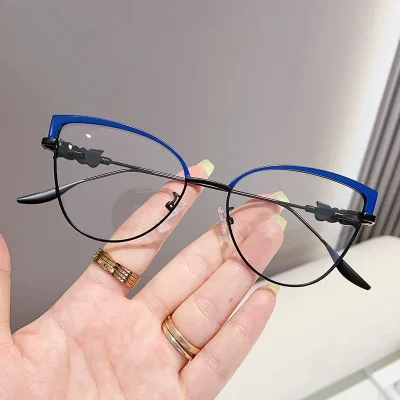
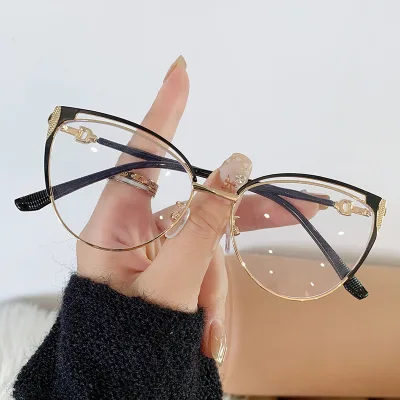


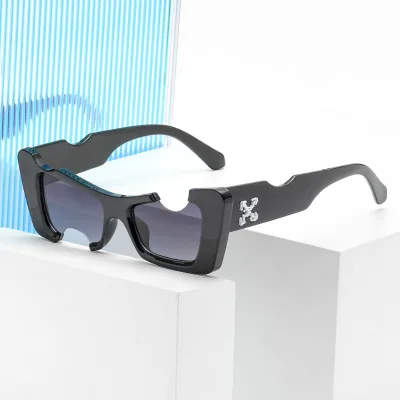


Comprehensive Sourcing Guide
Fashion Stainless Cat Eye Glasses Sourcing Guide
Sourcing fashion stainless steel cat eye glasses requires a nuanced understanding of material properties, aesthetic versatility, and regulatory compliance. These frames combine the durability of metal alloys with the distinctive, upward-sweeping silhouette that defines the cat eye style. Buyers must navigate a market where customization options range from lens tints to logo placement, ensuring the final product aligns with brand identity. The following guide outlines critical verification steps for procurement professionals seeking reliable suppliers in this specialized eyewear segment.
The procurement process begins with defining precise technical requirements, including frame dimensions, lens materials, and surface finishes. Stainless steel offers a lightweight yet robust structure, ideal for complex shapes like cat eyes that demand structural integrity. Buyers should prioritize suppliers who provide transparent specifications regarding alloy composition and coating quality. This foundational clarity prevents mismatches between design intent and manufactured output, ensuring the final product meets both aesthetic and functional expectations for the target demographic.
Product Scope and Observed Listing Signals
The current market landscape for stainless steel cat eye frames reveals a diverse array of product configurations and pricing structures. Observed listings indicate a price range from $0.61 to $9.90, reflecting variations in material quality, brand positioning, and order volume. Minimum order quantities (MOQs) typically span from 2 to 1,200 units, catering to both small boutique orders and large-scale retail distributions. These signals suggest a flexible supply chain capable of accommodating different business models, from dropshipping to private label manufacturing.
Product attributes frequently highlighted include frame colors such as black, silver, or gold, and lens options ranging from clear to tinted variants. Many suppliers offer customization services, allowing buyers to tailor logos, packaging, and specific design elements. The presence of models like T7212, G8068, and YHZ3136 indicates a standardized yet adaptable production framework. Buyers should analyze these listing signals to identify suppliers whose product portfolios align with their specific style requirements and volume needs, ensuring a seamless integration into their existing supply chain.
Technical Specifications to Verify
Verifying technical specifications is paramount to ensuring the longevity and comfort of stainless steel cat eye glasses. Key attributes to confirm include the frame material composition, such as super thin alloy stainless steel, which offers a balance of strength and aesthetic appeal. Lens materials vary, with options like polycarbonate (PC) and nylon providing impact resistance, while glass lenses offer superior optical clarity. Buyers must verify the lens optical attributes, including UV protection levels, to ensure compliance with safety standards and customer expectations for eye care.
Frame dimensions and structural details, such as nose support types and hinge mechanisms, significantly influence fit and durability. Specifications like 57-13-136 or 54-16-138 denote specific measurements for lens width, bridge size, and temple length, which must align with the target demographic's facial features. Additionally, the frame shape, whether full rim or semi-rimless, and the presence of integrated or non-integrated nose pads, affect both style and comfort. Buyers should request detailed technical drawings or samples to validate these specifications before committing to large orders, minimizing the risk of fit-related returns.
Compliance and Safety Documentation
Compliance with international safety and quality standards is non-negotiable for eyewear procurement. Buyers must ensure that suppliers provide valid certifications, such as CE, FDA, and ISO EN 14889: 2003, which attest to the product's adherence to rigorous testing protocols. These certifications cover aspects like material safety, optical quality, and mechanical durability, protecting both the buyer and the end consumer from potential liabilities. Verifying the authenticity of these documents through independent testing labs or supplier audits is a critical step in the qualification process.
Beyond certifications, buyers should inquire about the specific testing procedures employed by the supplier. This includes impact resistance tests, chemical resistance checks for coatings, and optical clarity assessments. Documentation should also cover the origin of materials, ensuring that stainless steel and other components are sourced from reputable suppliers. Transparent compliance records not only mitigate regulatory risks but also enhance brand credibility, as consumers increasingly demand proof of safety and quality in their eyewear purchases.
Cost Drivers and Commercial Terms
Understanding the cost drivers behind stainless steel cat eye glasses helps buyers negotiate favorable commercial terms. Key factors influencing price include the complexity of the cat eye design, the quality of stainless steel alloys, and the type of lens material used. Customization options, such as logo engraving or specialized packaging, add to the unit cost but can enhance brand value. Buyers should analyze these variables to determine the true cost per unit and identify opportunities for cost optimization without compromising quality.
Commercial terms, including payment structures and delivery timelines, also play a significant role in procurement strategy. Common terms involve a 30% deposit with the balance due before shipment, reflecting standard industry practices. Delivery times can range from 35 to 65 days after receiving the deposit, depending on order volume and customization requirements. Buyers should negotiate clear terms regarding shipping methods, such as air or sea freight, and establish contingency plans for potential delays, ensuring a predictable and efficient supply chain.
Supplier Qualification and Quality Control
Supplier qualification is a multi-faceted process that extends beyond initial product samples. Buyers should conduct thorough audits of the supplier's manufacturing facilities, assessing their production capacity, quality control systems, and ethical labor practices. Suppliers located in regions like Taizhou, Zhejiang, or Wenzhou, Zhejiang, China, often have established ecosystems for eyewear production, offering advantages in terms of supply chain efficiency and expertise. Verifying the supplier's track record and client references provides additional confidence in their reliability and consistency.
Quality control measures should be integrated into the procurement process from the outset. This includes implementing pre-production samples, in-line inspections, and final random inspections before shipment. Buyers should define clear acceptance criteria for defects, such as scratches, misalignments, or coating issues, and establish protocols for handling non-conforming products. Regular communication with the supplier regarding quality feedback and continuous improvement initiatives fosters a collaborative relationship, ensuring that the final product consistently meets the buyer's high standards.
Long-Term Procurement Checks
Long-term procurement success relies on continuous monitoring and adaptation to market changes. Buyers should regularly review supplier performance metrics, including on-time delivery rates, defect rates, and responsiveness to issues. Establishing key performance indicators (KPIs) and conducting periodic supplier evaluations helps identify areas for improvement and ensures accountability. Building a diversified supplier base can also mitigate risks associated with single-source dependencies, providing flexibility in case of supply chain disruptions.
Staying informed about emerging trends in fashion and technology is crucial for maintaining a competitive edge. This includes monitoring shifts in consumer preferences for frame styles, lens technologies, and sustainable materials. Buyers should engage in ongoing dialogue with suppliers to explore new product innovations and potential collaborations. By fostering a proactive and adaptive procurement strategy, buyers can ensure that their stainless steel cat eye glasses offerings remain relevant, high-quality, and aligned with the evolving demands of the global eyewear market.
FAQs
What frame materials are available for fashion stainless cat eye glasses?
Fashion stainless cat eye glasses are available in multiple frame materials including TR, alloy, stainless steel, and acetate. These materials offer distinct aesthetic and durability profiles. Buyers can select based on weight preferences and structural needs. Customization options are available for specific material requirements to meet diverse design specifications.
Can I customize the logo on these fashion stainless cat eye glasses?
Yes, logo customization is available for fashion stainless cat eye glasses. Buyers can request specific branding to be applied to the frames. This service allows for unique product identification and marketing alignment. Customization supports various design preferences and brand identity requirements for wholesale orders.
What certifications do these fashion stainless cat eye glasses hold?
These fashion stainless cat eye glasses hold CE, FDA, and ISO EN 14889: 2003 standards certifications. These certifications ensure compliance with international safety and quality regulations. Buyers can verify product standards for different regional market requirements. Documentation is provided to support regulatory compliance and product authenticity.
What is the typical lead time for fashion stainless cat eye glasses?
The typical lead time for fashion stainless cat eye glasses is 35-65 days after receiving the deposit. This duration accounts for production and quality control processes. Buyers should plan inventory accordingly to avoid stockouts. Payment terms usually require a 30% deposit with the balance due before shipment.
Which lens materials are used in fashion stainless cat eye glasses?
Lens materials for fashion stainless cat eye glasses include PC and nylon. Some models also feature glass lenses for optical clarity. Lens colors range from clear to brown and green. These materials provide durability and optical performance suitable for various usage scenarios.
How are fashion stainless cat eye glasses packaged for shipment?
Fashion stainless cat eye glasses are packaged in outer boxes, inner boxes, and sealed pockets. Some models use carton boxes or polybags with inner box configurations. Packaging ensures product protection during transit. Bulk quantities are often packed in cartons for efficient shipping and handling.